Pharmacy
Healthcare, Communication & Patient Understanding
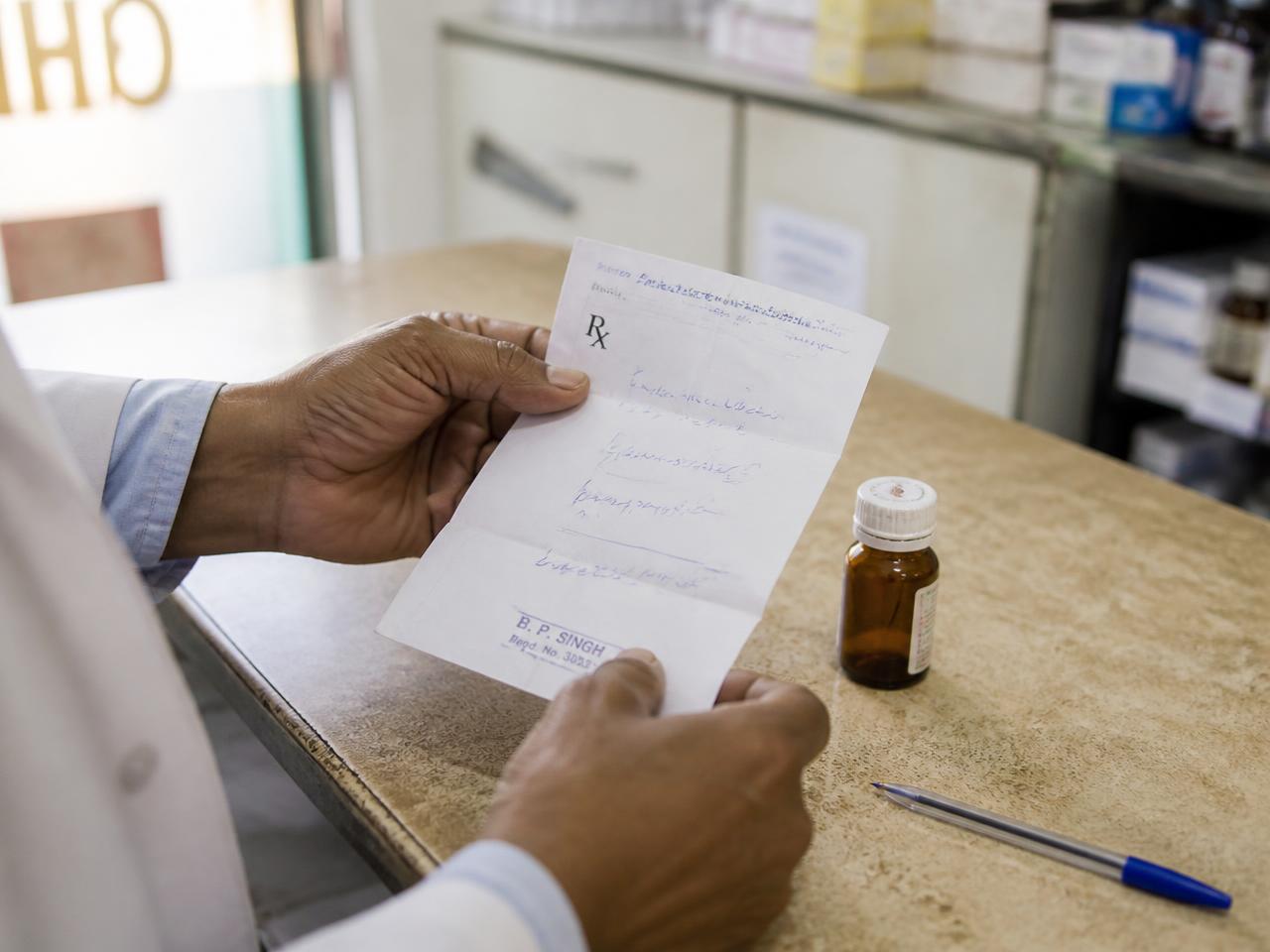
Healthcare produces a large amount of information in a short time, usually for someone who is unwell, anxious or distracted. How that information is delivered shapes what happens after the appointment ends.
Understanding is part of the treatment
A plan that is clinically appropriate but poorly understood becomes a different plan by the time it reaches daily life. Instructions get simplified, timings drift, and reasonable-sounding assumptions fill the gaps.
This is not usually carelessness on anyone's part. It reflects how information behaves when it moves from a clinical setting into an ordinary week. What is precise in a consultation room becomes approximate at home.
Treating comprehension as an explicit part of care — rather than something assumed once the words have been said — closes much of that gap.
Health literacy is a general challenge
Health literacy describes how readily a person can find, understand and use health information. It varies widely, and it is not a proxy for education or intelligence. Highly educated people are routinely lost inside unfamiliar clinical vocabulary.
It also fluctuates. The same person may follow a discussion easily at a routine review and retain very little during a stressful one. Illness, pain and worry all reduce processing capacity.
For that reason, plain language is not a concession made for some patients. It is the sensible default for everyone, with detail added when a person wants it.
What clearer communication looks like
Several approaches are widely used because they are simple and effective. Leading with the most important point rather than building up to it. Limiting a conversation to a small number of key messages. Pairing spoken instructions with something written.
Teach-back is one of the better-established techniques: asking a person to explain the plan back in their own words. It checks the explanation rather than the patient, and it surfaces misunderstandings while they are still easy to fix.
Framing also matters. Open invitations such as 'what questions do you have?' produce more than closed ones such as 'any questions?', which most people politely decline.
- Lead with the most important information
- Keep to a few key messages per conversation
- Give written or printed instructions alongside spoken ones
- Invite the person to repeat the plan back in their own words
- Ask open questions rather than yes-or-no ones
Questions are part of good care
Many people hesitate to ask questions in clinical settings — out of politeness, awareness of time pressure, or a worry about appearing uninformed. That hesitation quietly removes the main mechanism for correcting misunderstandings.
A short set of general questions covers most situations: what is this for, how and when do I take or do it, what should I expect, and who do I contact if something changes. Writing them down beforehand helps, because appointments rarely go the way people rehearse.
Bringing someone along is also legitimate. A second person hears different things and remembers what the first person missed.
Trust and accessible information
Trust develops when people feel heard and when explanations match what they later experience. Being told in advance about a common, expected effect turns a worrying event into a recognised one — and makes the next explanation more credible.
Accessible information also extends beyond the consultation. Clear labels, readable leaflets, reliable public health resources and pharmacists available without an appointment all reduce the number of decisions people have to make on guesswork.
Uncertainty is worth naming honestly too. Clinical practice contains genuine unknowns, and saying so tends to build more confidence than false precision.
Practical Takeaways
- Assume comprehension needs checking, not assuming.
- Use plain language by default and add detail on request.
- Ask people to repeat the plan back in their own words.
- Prepare questions before an appointment and write down the answers.
- Pair every spoken instruction with something written.
Closing thoughts
Good communication does not require more time so much as different structure: fewer messages, clearer language and an explicit check that the plan landed.
It is one of the least technical parts of healthcare and one of the most consequential.
This article is intended for general educational purposes and does not replace advice from a qualified healthcare professional.

Dr. Sai Anjuri
PharmD • Fitness • Nutrition • Creative Photography